
Christmas in Italy: Traditions, Food, and the Warm Soul of the Holidays
Explore Italy food and discover the best food for Christmas in Italy through heartwarming italian stories that reveal the essence of italian lifestyle — traditions, family feasts, and timeless recipes that make Christmas unforgettable.
FOODLOCAL STORIES&CULTURE
A Season of Lights and Stories
December in Italy feels like stepping into a living postcard. The first chill brings with it the scent of roasted chestnuts, the glow of fairy lights, and the slow rhythm of family gatherings that define the italian lifestyle.
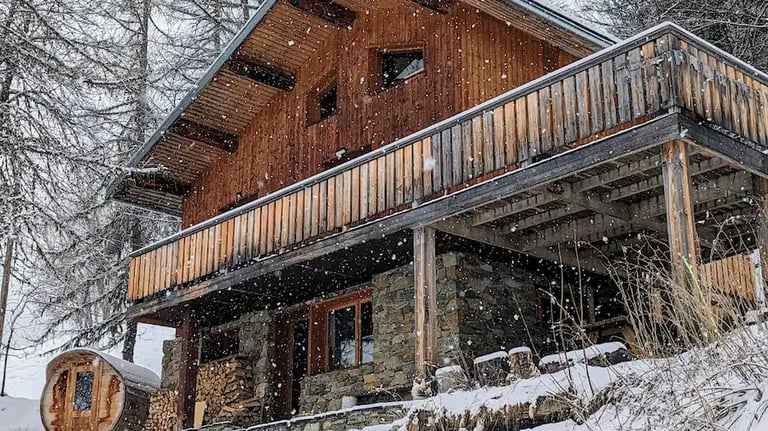
From the cobblestone streets of Florence to the snowy chalets of the Dolomites, every corner of the country hums with anticipation.
In Rome, the season officially begins on December 8, with the lighting of the Christmas tree in Saint Peter’s Square — a breathtaking spectacle beside the Basilica (see https://www.vatican.va/). Families stroll under the glittering lights, holding warm cups of vin brulé, and children marvel at the life-sized nativity scene.
Head south, and you’ll find Naples — the capital of presepe (nativity scenes). On Via San Gregorio Armeno, entire families of artisans spend the year sculpting miniature figures — bakers, shepherds, angels, even soccer players — that fill their tiny workshops (explore https://www.napolitoday.it/). This is not just craft; it’s storytelling in clay — one of those italian stories that never fade.
The Heartbeat of Italian Christmas
Christmas in Italy doesn’t last a day; it unfolds like a long opera. It begins on December 8 (Immaculate Conception) and ends on January 6 (Epiphany). That rhythm reflects the essence of italian lifestyle: slow, emotional, communal.
In northern Italy, towns sparkle under snow while wooden markets fill the piazzas. In southern villages, bonfires glow, families roast chestnuts, and children rehearse carols for the local church.
No matter where you are, one thing ties it all together — Italy food. The act of cooking and sharing isn’t just part of the celebration; it is the celebration.
A Feast Worth Waiting For
The Vigil of the Sea: La Vigilia
Christmas Eve, La Vigilia di Natale, is one of Italy’s most beloved culinary rituals. Following the Catholic custom of abstaining from meat, families serve seafood instead — an age-old practice that gave rise to the famous “Feast of the Seven Fishes.”
In Naples, tables overflow with fried calamari, marinated anchovies, spaghetti with clams, and crispy baccalà fritto. The scent of garlic, lemon, and olive oil fills every corner. In Campania, eel (capitone) — once believed to ward off evil — takes pride of place. In Sicily, dinner ends with buccellato, a round pastry filled with figs and almonds, a symbol of abundance.
The north celebrates differently: Venice loves its risotto ai frutti di mare and grilled branzino, while Liguria prepares stoccafisso, a cod stew flavored with pine nuts and olives.
Every bite is a fragment of food for Christmas in Italy, and every dish, a reflection of centuries of coastal heritage.
The Grand Table of Christmas Day
On December 25, Italy transforms into a national banquet. In Emilia-Romagna, families sit around steaming bowls of cappelletti in brodo, tiny pasta parcels swimming in golden broth. According to Accademia Barilla (https://www.academiabarilla.it/en/italian-recipes/panettone/), this region also gave the world some of the most refined Italy food, blending art and flavor with precision.
In Tuscany, roasted lamb, crostini di fegatini, and red Chianti Classico fill the table. In Lazio, you’ll find lasagna al forno, bubbling with béchamel and ragù.
Across the country, dessert marks the crescendo: panettone and pandoro — two legendary sweet breads whose aromas fill every bakery window. Milan’s panettone has become the ultimate symbol of food for Christmas in Italy, its soft dough dotted with candied fruit and raisins.
The Taste and Symbolism of Italian Christmas
Food, in Italy, always carries meaning. The sweetness of panettone symbolizes prosperity; the round shape of struffoli represents unity; the golden hue of olive oil stands for light and renewal.
Panettone (Milan) – A festive bread with raisins and orange peel, born from a baker’s mistake, or so the italian stories say.
Pandoro (Verona) – A golden, star-shaped cake dusted with sugar, whose name literally means “bread of gold.”
Tortellini in brodo (Emilia-Romagna) – Small pasta rings, each said to be inspired by the navel of Venus — an ode to beauty and indulgence.
Struffoli (Naples) – Honey-glazed dough balls piled high, their sweet aroma evoking childhood warmth.
Cartellate (Puglia) – Crisp spirals dipped in vincotto, a syrup of reduced wine, whose origins trace back to Roman feasts.
This is Italy food at its best: diverse, regional, sacred, and joyful.
What Italians Drink During Christmas
A Christmas meal in Italy always includes wine — not as luxury, but as life.
In Veneto, Prosecco starts the evening; in Tuscany, Chianti Classico warms family tables; in the Alps, Vin Brulé perfumes the air of Christmas markets (see https://www.italia.it/en/christmas-markets).
After dinner, it’s time for a digestivo: limoncello in the south, grappa in the north, or herbal amaro almost everywhere. These moments of clinking glasses, of unhurried conversation, are pure italian lifestyle.
And of course, every meal ends with espresso — black, strong, restorative. “Senza caffè, non finisce la festa,” as they say: “Without coffee, the feast doesn’t end.”
Stories Beside the Tree
Every Christmas in Italy is a collection of italian stories, told between candlelight and laughter.
Children listen to tales of La Befana, the old witch who brings gifts on Epiphany, searching forever for the Christ child she once missed. In Umbria and Tuscany, grandparents tell stories of saints who protected shepherds in snowstorms or angels who guided travelers across the Apennines.
These tales are not just folklore — they are Italy’s way of remembering, of binding generations through narrative.
The Living Nativity: The Presepe Tradition
The nativity scene — il presepe — is perhaps Italy’s most treasured Christmas symbol.
In 1223, Saint Francis of Assisi created the first living nativity in Greccio, turning scripture into a scene people could touch and feel (learn more at https://www.franciscanmedia.org/). Eight centuries later, the tradition thrives.
In Naples, entire streets are devoted to presepe art; in Basilicata, nativity scenes are carved into caves; and in Umbria, real donkeys and shepherds fill the streets during live performances.
Each presepe mirrors daily life — bakers, farmers, children playing — capturing the soul of italian lifestyle, where sacred and everyday life exist side by side.
Music, Markets, and Midnight Mass
Throughout December, mercatini di Natale (Christmas markets) bring light to every piazza. Bolzano, Florence, and Trento turn into glowing villages of wood, cinnamon, and laughter.
As night falls on Christmas Eve, Italians gather for Midnight Mass — La Messa di Mezzanotte. Churches fill with candlelight, and choirs sing “Tu Scendi dalle Stelle,” the hymn written by Saint Alphonsus Liguori. Bells ring at midnight; families embrace, whispering “Buon Natale.”
This quiet reverence, followed by laughter and dessert at home, captures the emotional heart of food for Christmas in Italy — where spirit and flavor intertwine.
Not Everyone Knows: Secrets of Italian Christmas
The Ceppo Tree – Before modern Christmas trees, Tuscan families built wooden pyramids decorated with candles and fruit.
Panforte from Siena – Monks once baked this dense, spicy cake for pilgrims in the Middle Ages. Its name means “strong bread.”
Presepe Rivalries – In Naples, some families include soccer players or politicians in their nativity scenes for fun.
Epiphany Fires – In northern villages, bonfires on January 6 burn away the old year’s misfortune.
Ancient Blessings – Farmers still sprinkle holy water on their fields during the Epiphany, a blend of faith and folklore.
These little-known traditions are the heartbeat of italian stories still alive today.
The Meaning Beneath the Celebration
What makes Christmas in Italy so timeless is not the spectacle — it’s the intimacy.
Families cook together, sing together, tell stories. The italian lifestyle is not about excess, but about togetherness — about living fully in the moment.
Every glass of wine, every laugh, every bite of panettone carries memory. Each gesture repeats what ancestors did a hundred years ago. That’s why Christmas here never feels old — it renews itself through love, food, and shared stories.
Travel Tips for Experiencing Christmas in Italy
Book Early: Popular destinations like Rome and Trento fill quickly — reserve accommodations in advance.
Visit Local Markets: The best atmosphere and Italy food are found in smaller towns — Bolzano, Merano, and Arezzo.
Try Regional Dishes: Don’t leave without tasting panettone in Milan or cartellate in Puglia.
Dress Warmly: Winter temperatures vary — the north can be snowy, while southern nights are cool and damp.
Experience the Epiphany: Head to Urbania in the Marche region for the famous La Befana Festival, where the good witch “flies” into town for the children.
Live Like a Local: Shop for ingredients, cook with locals, and take time to enjoy coffee slowly — that’s the heart of italian lifestyle.
Christmas in Italy is not just a celebration — it’s a story told through flavor, faith, and affection. It’s the taste of food for Christmas in Italy, the joy of shared Italy food, and the rhythm of the italian lifestyle that turns every December into something eternal.

REGIONS OF ITALY
FOLLOW US
© 2025 Roadside Italy. All rights reserved.
FESTIVALS IN ITALY
ITALIAN FOOD CULTURE
ITALIAN STORIES & TRADITIONS