
Food for Christmas in Italy: Traditional Dishes from North to South
Discover the traditional food for Christmas in Italy — from rich northern feasts to coastal seafood on Christmas Eve and sweet delights on Santo Stefano. A flavorful journey through Italy’s most beloved festive recipes.
FOOD
There’s no season when Italy food is more emotional, more rooted in memory and family, than at Christmas. Every region, every town, and even every family has its own traditions — a mosaic of dishes passed down through generations. The food for Christmas in Italy is not just nourishment: it’s storytelling through recipes, where every bite carries the echo of centuries of celebration.
From the seafood feasts of the southern coast to the butter-rich tortellini of Emilia-Romagna, Italian tables on Christmas Eve, Christmas Day, and Santo Stefano (December 26th) are laden with meaning, aromas, and love.
Let’s travel across Italy’s festive kitchens — from the alpine chalets of Trentino to the sunny shores of Sicily — to savor the dishes that make this season unforgettable.
The Vigilia di Natale (Christmas Eve): A Sea of Flavors
The Sacred Rule of “No Meat”
Tradition dictates that no meat is served on December 24th. The “Vigilia di Natale” is a time for lighter, fish-based dishes — a spiritual and symbolic preparation for the joy of Christmas Day. Yet “light” is a word Italians interpret generously!
In Naples and the southern regions, the table becomes a maritime festival. One can smell fried calamari, sautéed clams, and baked eel wafting from every home. The food for Christmas in Italy often starts with an antipasto di mare: marinated anchovies, octopus salad, and fried baccalà — salted cod, crisp and golden.
Campania’s Seven Fishes
Neapolitans have their own version of the “Feast of the Seven Fishes,” a series of seafood dishes served one after another. You might find:
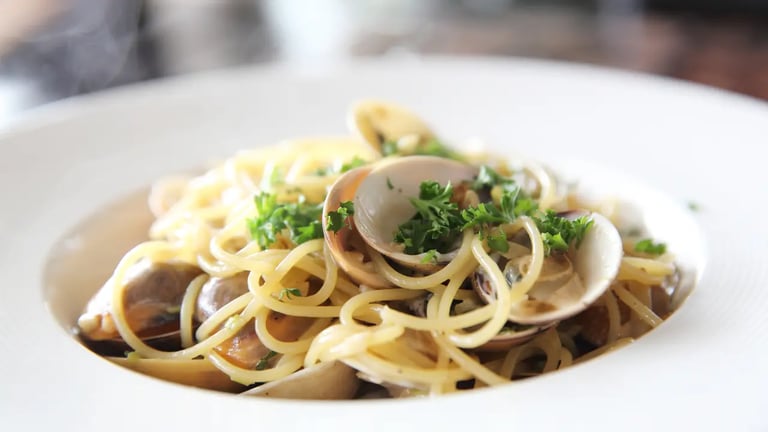
Spaghetti alle vongole (spaghetti with clams)
Alici marinate (marinated anchovies)
Capitone (female eel, grilled or stewed in tomato)
Baccalà fritto (fried salted cod)
Insalata di mare (seafood salad with octopus and shrimp)
Frittelle di alghe (seaweed fritters, zeppoline)
Scampi alla griglia (grilled langoustines)
Each dish tells a story of faith and abundance, transforming the humble sea into a banquet of flavors.
Northern and Central Variations
In Veneto and Friuli, Christmas Eve might feature baccalà mantecato, a creamy cod spread on toasted bread, or risotto al nero di seppia (squid ink risotto). Tuscany’s coastal families serve cacciucco, a robust fish stew from Livorno, while inland areas enjoy tortelli di zucca — pumpkin-filled pasta with butter and sage.
In Rome, fried dishes dominate the table: broccoli fritti, carciofi fritti, and baccalà alla romana. The crunch of frying oil and the laughter of family mark the rhythm of Christmas Eve in the Eternal City.
Sweet Endings
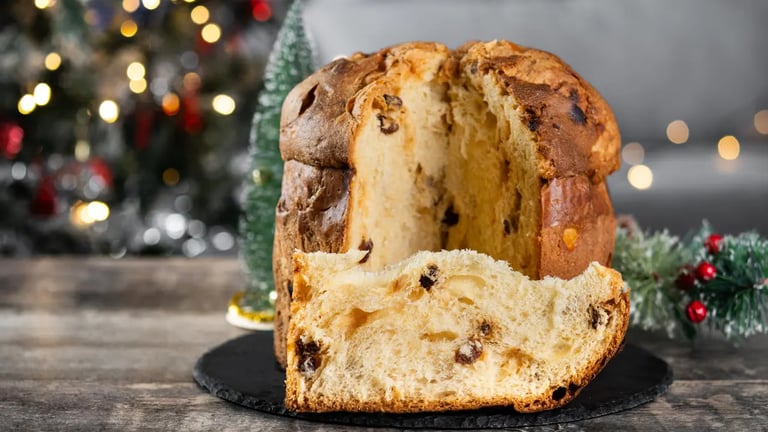
Even on the Vigilia, Italians never skip dessert. In Campania, there’s struffoli — tiny fried dough balls coated in honey and sprinkles. In Liguria, pandolce genovese, a dense, fruit-filled bread, makes its appearance. Across the country, panettone and pandoro — now symbols of Italy food — often grace the table, a preview of Christmas Day indulgence.
Christmas Day — The Crown of the Feast
The Morning of Aroma and Anticipation
On Christmas morning, kitchens across Italy come alive early. The smell of broths simmering with capon, the slow roast of pork, and the sweetness of pastries fill the air. This is the moment when food for Christmas in Italy becomes pure emotion.
Families gather around tables set with their finest porcelain and linens. And soon, the courses begin to flow — each more heartfelt than the last.
Northern Italy – Butter, Broth, and Mountains of Flavor
In the north, where the air is crisp and snow blankets the rooftops, comfort food reigns supreme.
Piedmont: Agnolotti del plin filled with roast meat, drizzled with sage butter, followed by bollito misto, a royal selection of boiled meats with green sauce (salsa verde).
Lombardy: Risotto alla milanese with saffron and marrow, often paired with roast capon or turkey stuffed with chestnuts.
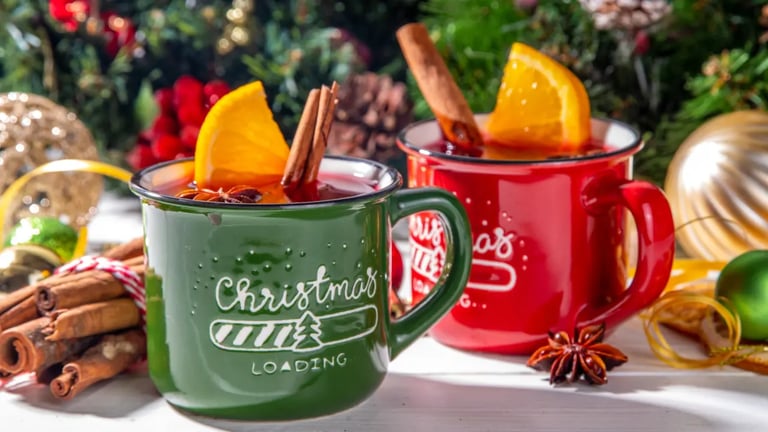
Trentino-Alto Adige: Canederli (bread dumplings) in broth, apple strudel, and mulled wine (vin brulé) bring alpine warmth to the table.
These dishes embody the comfort and elegance of northern Italy food traditions — hearty yet refined.
Central Italy – The Heart of Tradition
In Emilia-Romagna, Christmas is an opera of flavor. Tortellini in brodo di cappone is mandatory — tiny rings of pasta filled with pork, prosciutto, and Parmigiano, floating in rich broth. Followed by cotechino con lenticchie (sausage with lentils), symbolizing luck and prosperity.
In Tuscany, the Christmas Day table may include arrosto di maiale (roast pork) or cacciucco di anatra, while in Marche and Umbria, families prepare cappelletti in brodo and galantina di pollo, a festive stuffed chicken roll.
Rome’s Christmas is pure abundance: fettuccine al ragù, abacchio al forno (roast lamb), and puntarelle alla romana. It’s the season when family kitchens rival the city’s finest trattorias.
Southern Italy – Sunshine on a Winter Table
If the north celebrates butter and broth, the south celebrates oil, tomatoes, and joy. In Puglia, Christmas Day means orecchiette al sugo di braciole — small pasta with slow-cooked beef rolls. In Calabria, pitta ‘mpigliata, a spiced raisin pastry, shines on the dessert table.
In Sicily, the feast is truly royal: anelletti al forno (baked pasta rings with meat sauce), involtini di pesce spada (swordfish rolls), and endless sweets — cannoli, cassata, buccellato.
These recipes make southern Italy food a celebration of sun, history, and hospitality, even in the heart of winter.
Santo Stefano — The Day After the Feast
December 26th, Santo Stefano, is the day when Italy rests… and eats again! Traditionally, this is the time to use leftovers creatively — but Italians being Italians, it becomes another feast.
Reinventing Leftovers
Lasagne al forno in Emilia-Romagna, made from leftover ragù.
Frittata di spaghetti in Naples — a golden pasta pie created from last night’s spaghetti alle vongole.
Canederli in broth again in the north, because no one gets tired of them.
Timballo di riso or arancini in Sicily, transforming rice into crispy perfection.
A Day for Comfort and Company
Families visit friends, share sweets, and keep nibbling panettone and torrone. The atmosphere is slower, more intimate. Children play with their new toys while grandparents sip espresso and recall “Natali di una volta.”
The food for Christmas in Italy doesn’t end with Christmas Day — it lingers, just like the scent of cinnamon and roast chestnuts in the air.
Not Everyone Knows – Hidden Christmas Traditions
In Abruzzo, it’s customary to eat scrippelle ‘mbusse (crepes in broth) as a Christmas starter — a humble but delicious tradition.
In Basilicata, baccalà con peperoni cruschi (cod with crispy peppers) reigns on Christmas Eve, an explosion of textures.
In Liguria, some families still make cappon magro, a spectacular layered seafood and vegetable salad that looks like a mosaic.
In Veneto, the sweet bread fugassa veneta was once a poor man’s panettone, now cherished as a festive classic.
And in Sardinia, people bake pardulas — ricotta-filled pastries flavored with orange zest — a taste of Mediterranean winter sun.
These are the small secrets of Italy food that most travelers never encounter, recipes whispered from grandmothers to grandchildren, kept alive by love.
Sweet Traditions and Symbolism
Christmas sweets are poetry in edible form.
Panettone, originally from Milan, represents prosperity and joy. Pandoro, from Verona, symbolizes light and purity.
In the south, honey reigns: cartellate from Puglia — spirals of fried dough soaked in vino cotto — and mostaccioli from Campania — chocolate-covered spiced cookies.
Some families even prepare torrone artigianale (nougat), using recipes from ancient monasteries. See more about Italy’s confectionery traditions on https://www.italia.it/en/food-and-wine.
A Culinary Map of Love and Memory
What unites all these variations is the spirit of sharing. The food for Christmas in Italy tells stories of land and sea, poverty and wealth, faith and joy. Each dish is a celebration of identity — regional and national — wrapped in aromas of garlic, citrus, butter, and wine.
And wherever you travel in Italy during the holidays, one thing is certain: you’ll be welcomed at a table that feels like home.
Frequently Asked Questions (FAQ)
Q1: What do Italians eat on Christmas Eve?
Italians traditionally eat fish and seafood — no meat. Popular dishes include baccalà fritto, spaghetti alle vongole, and capitone (eel).
Q2: What is eaten on Christmas Day in Italy?
Christmas Day features hearty dishes like tortellini in brodo, roast meats, and regional pasta specialties such as lasagne al forno.
Q3: What about desserts?
Panettone and pandoro are universal, but regional sweets like struffoli, cartellate, and torrone are also loved.
Q4: How is Santo Stefano celebrated?
It’s a relaxed day with family, often eating leftovers turned into new dishes — frittata di spaghetti, lasagne, or arancini.
Q5: Where can I learn more about Italy’s festive food traditions?
You can explore authentic insights at https://www.italia.it/en/food-and-wine and https://www.eataly.com.

REGIONS OF ITALY
FOLLOW US
© 2025 Roadside Italy. All rights reserved.
FESTIVALS IN ITALY
ITALIAN FOOD CULTURE
ITALIAN STORIES & TRADITIONS