
Italian Christmas Customs and Traditions by Region
Discover the most authentic Italian Christmas customs and traditions — from midnight Mass and long family dinners to regional rituals, games, and ways Italians celebrate Christmas Eve, Christmas Day, and Santo Stefano.
LOCAL STORIES&CULTURE
If you want to understand the heart of the Italian lifestyle, there’s no better time to visit than Christmas. The season stretches from early December, with the feast of Saint Nicholas and the Immaculate Conception, all the way to January 6th — the Epiphany.
But the soul of the holidays lives between December 24th and 26th, in those three magical days filled with family, warmth, and timeless Italian stories whispered around the table.
The way Italians celebrate Christmas reveals a mosaic of traditions, from Alpine towns covered in snow to the Mediterranean villages where Christmas Eve might still be mild and salty in the air. Every region, every home, every grandmother adds her own verse to the great Italian Christmas poem.
Let’s travel through the country and discover how Italians truly live the spirit of the season — with food, faith, laughter, and love.
The Vigilia di Natale (Christmas Eve)
The Anticipation of the Night
The 24th of December in Italy feels electric. Markets close early, church bells echo through small towns, and kitchens explode with the sound of frying fish, chopping vegetables, and laughter.
Most Italians spend the afternoon and early evening with their closest family, preparing the great cenone della Vigilia — the traditional Christmas Eve dinner.
It’s a sacred moment: no meat, only fish, as dictated by Catholic custom. But beyond religion, it’s also a family ritual, a sensory celebration before the holiness of midnight.
Dinner starts around 8:00–9:00 p.m. and can stretch well past midnight — because time, on Christmas Eve, stops being important.
What Happens Before Dinner
Before the meal, Italians light candles, dress their tables with red and gold cloths, and often play tombola (a classic bingo-like game). Children wait impatiently, whispering about Santa Claus — or in some regions, Babbo Natale.
In mountain towns, families might attend an early evening Mass before sitting down to eat. In the south, people prefer dining first and heading to Midnight Mass after the feast.
After Dinner — Midnight Mass and Small Miracles
Around 11:30 p.m., families dress warmly and walk to church for La Messa di Mezzanotte. The streets glow with lanterns, laughter, and church bells. It’s one of the most emotional nights of the year — when faith and family feel inseparable.
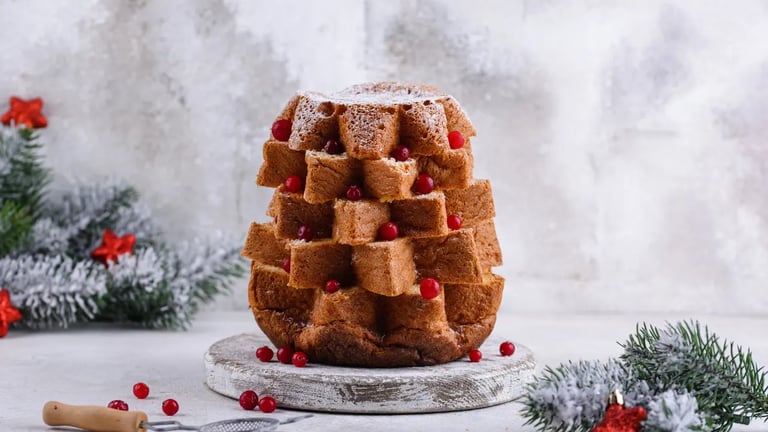
After Mass, there’s often a late-night toast with spumante or limoncello. Some nibble leftover fried fish or sweets like struffoli and panettone. It’s a night of warmth, even when it’s cold outside.
Natale (Christmas Day) — The Feast of Togetherness
Morning Magic
Christmas morning in Italy is slow and tender. Children wake up early to unwrap gifts, adults prepare the table, and the smell of broth, roasted meats, and sweets fills the air.
By 12:30 or 1:00 p.m., everyone sits down for il pranzo di Natale — a marathon of food and conversation that can last for hours.
What Christmas Looks Like in the North
In the north, the atmosphere is elegant and cozy. Snow often covers the rooftops, and the fire crackles while families sip vin brulé.
In Trentino-Alto Adige, villagers still visit neighbors to share homemade biscuits and mulled wine after church.
In Lombardy, families might open gifts before breakfast, then enjoy tortellini in brodo and arrosto di vitello.
In Piedmont, people bring bagna cauda to the table, sharing roasted vegetables dipped in warm anchovy sauce — a ritual of togetherness.
Northern Italians love slow meals: appetizers, first course, main course, dessert, coffee, then digestivo. The afternoon blends into the evening with board games and chatter, embodying the relaxed, family-centered Italian lifestyle.
Central Italy — Between Faith and Flavor
In Tuscany, Umbria, and Marche, the Christmas table combines rustic flavors and heartfelt simplicity.
Families gather around long wooden tables, often in old stone houses where fireplaces glow. The day revolves around stories — the nonni (grandparents) retelling Italian stories about their childhood Christmases under the war, or about the first panettone they ever tasted.
After lunch, people might take a quiet walk through the village or visit friends, bringing leftover sweets as gifts. The rhythm is gentle, timeless.
The Joyful South — A Symphony of Family and Noise
In Campania, Puglia, Calabria, and Sicily, Christmas Day is more than a meal — it’s a concert of voices, flavors, and laughter.
Tables overflow with lasagne, roasted lamb, and sweets like cassata and cartellate. The atmosphere is pure joy: everyone talks at once, kids play with fireworks outside, and uncles argue about soccer between bites.
Lunch usually starts late — around 2:00 p.m. — and stretches into the evening. After the main meal comes tombola, espresso, and digestivi like limoncello or amaro.
Music plays softly, and people linger until it’s dark, basking in that special southern warmth that defines the Italian lifestyle.
Santo Stefano (December 26th) — The Day of Friendship
The Spirit of the 26th
After two days of family intensity, Santo Stefano is dedicated to friends and godparents. Italians use it as a chance to visit relatives they couldn’t see earlier, or to invite neighbors for a simpler but still generous lunch.
Meals are often made from leftovers — lasagne, roast meats, fried pasta, and sweets — but the atmosphere is relaxed and social.
Many go for a stroll in the city center or the mountains. In some towns, local bands play Christmas music in the streets, and markets reopen for the last holiday rush.
Regional Flavors and Rituals
In Veneto, families gather for long walks followed by cioccolata calda (hot chocolate) and pastries.
In Emilia-Romagna, people visit friends and share cotechino e lenticchie, wishing good luck for the new year.
In Rome, it’s a day of avanzi — leftovers — and casual visiting, continuing the Christmas warmth.
In Naples, Santo Stefano is another reason to fry: leftover baccalà and zeppoline are reborn as snacks.
In Sicily, people exchange buccellato cakes and continue playing tombola, often into the late evening.
This third day completes the Italian holiday trilogy — family, faith, and friendship — the cornerstones of Italian stories passed from generation to generation.
How Customs Change by Region
Italy’s regional diversity is a kaleidoscope of small gestures and habits. Here’s how Christmas differs from north to south:
Northern Italy: White Christmas Charm
Homes light up with handmade wooden decorations and Advent wreaths.
Children often receive gifts from Santa Lucia (December 13) in Lombardy and Veneto.
Ski towns host torchlight parades on Christmas Eve, where skiers descend slopes carrying flames.
Dinners end early to attend Midnight Mass through snow-covered streets.
Central Italy: Faith and Family
Towns like Assisi, in Umbria, recreate living nativities (presepi viventi) with real villagers playing Holy Family roles.
In Tuscany, the “pre-cena” moment includes small appetizers and a toast before dinner.
After dinner, tombola and storytelling dominate the night — part of the oral Italian stories tradition.
Southern Italy: Celebration Without End
The pre-cena is a moment of music and small bites — olives, taralli, and wine.
Dinner may last until 2 a.m., followed by singing and card games.
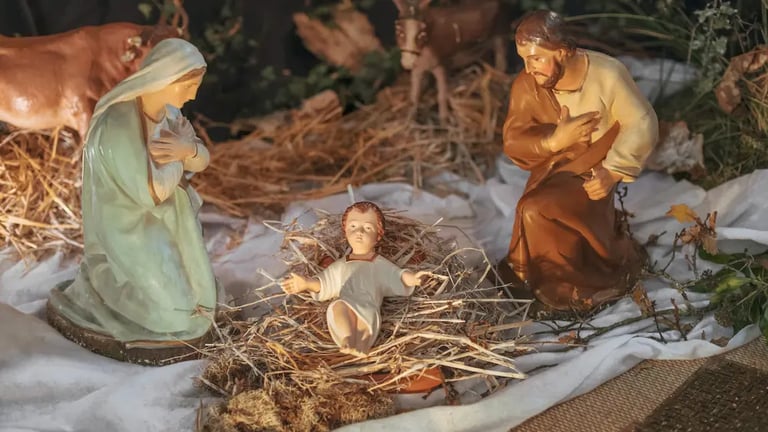
In Naples, people set up the presepe napoletano — elaborate nativity scenes with dozens of handcrafted figures, a true form of art (see https://www.napolipresepi.it).
In Calabria, bonfires are lit in town squares — a custom symbolizing warmth and community.
The Islands: Sicily and Sardinia
In Sardinia, families still bake pardulas (ricotta pastries) and prepare lamb roasted with myrtle. After dinner, singing and poetry known as mutetus fill the night.
In Sicily, Christmas Eve is pure theater: relatives drop in unannounced, children perform little poems, and at midnight, fireworks light up the sky over the sea.
Christmas here is not a single event — it’s a living heartbeat of community.
The Symbols of Italian Christmas
The Italian Christmas is a delicate blend of sacred and joyful traditions.
Il Presepe (Nativity Scene): The most important symbol, often more beloved than the tree. Families pass down handmade figurines through generations.
La Tombola: The favorite game — part gambling, part storytelling. Each number has a symbolic meaning, and laughter fills the night.
Midnight Mass: Even for nonreligious Italians, it’s a ritual of belonging.
Hospitality: Guests are sacred. No one is left alone — a pillar of the Italian lifestyle.
Music and Lights: Villages sparkle with carols, and families sing Tu scendi dalle stelle together.
These symbols reveal that in Italy, Christmas is less about gifts and more about presence — being together, sharing time, food, and memories.
Not Everyone Knows — Hidden Customs
In Bologna, it was once customary to hang mistletoe not for romance but for good luck in the fields.
In Venice, children receive gifts twice: from Santa Lucia and Babbo Natale.
In Puglia, after Midnight Mass, people used to light small fires called fòcare in the squares.
In Umbria, peasants would exchange bread loaves on Christmas morning as a sign of peace.
In Sardinia, the eldest family member gives the first toast, symbolizing the continuity of blood and tradition.
These small gestures, almost invisible, form the living soul of the Italian lifestyle, a rhythm that keeps families connected to their roots.
Travel Tips — Experiencing Italian Christmas Like a Local
To truly feel Christmas in Italy, you must slow down. Italians live the holidays as a time to reconnect with people and meaning, not schedules.
Here are some narrative “travel tips” for travelers seeking an authentic taste of Italian Christmas:
Arrive before December 24th. Spend time exploring Christmas markets — Trento, Bolzano, and Verona are magical.
Join a family dinner if invited. Bring a small gift — wine, panettone, or chocolates — and be ready to stay late.
Don’t plan too much. Shops close early, and the magic happens at home, not in tourist spots.
Attend Midnight Mass even if you’re not religious — the emotion, the music, the candles are unforgettable.
Try the regional sweets. From struffoli in Naples to pandolce genovese in Liguria, each bite tells a different story.
On December 26th, wander through villages. It’s a day of calm — friends walking arm in arm, bells echoing softly, the smell of coffee and leftover lasagna in the air.
If you embrace the pace of the Italian holidays, you’ll discover something profound: Christmas here is not a date, it’s a way of being — a reflection of the Italian lifestyle, where joy and generosity intertwine naturally.
REGIONS OF ITALY
FOLLOW US
© 2025 Roadside Italy. All rights reserved.
FESTIVALS IN ITALY
ITALIAN FOOD CULTURE
ITALIAN STORIES & TRADITIONS